

Fraud Allegations Involving a Crypto Trading Signal Room and Referral Program — Case Closed Without Referral to Prosecutors
Case Overview
- Client Information
- Individual / Suspect
- Case Details
-
The client worked for a company that provided cryptocurrency-related information and was responsible for assisting prospective members with registration and access to an overseas crypto exchange.
After receiving guidance from the client, the complainant joined a Telegram-based crypto trading signal room and opened an account with an overseas exchange in their own name. The complainant then conducted leveraged futures trading and transferred tens of millions of Korean won to third-party accounts to purchase USDT for use in those trades.
After suffering trading losses, the complainant filed a criminal complaint for fraud. The complainant alleged that the client had guaranteed the principal and investment returns and had conspired with the USDT sellers to obtain the funds under false pretenses.
As a result, the client was investigated on suspicion that introducing the signal room and connecting the complainant with a USDT seller formed part of a fraudulent scheme.
Decent's Strategy
1. Reviewing the Alleged Guarantee of Principal and Returns
The complainant claimed that the client had guaranteed both the original investment and substantial profits.
Decent Law Firm emphasized that there was no objective evidence supporting this allegation. The client also consistently stated throughout the investigation that no guarantee of principal or returns had ever been made.
2. Identifying Who Made and Executed the Investment Decisions
The complainant opened an overseas exchange account in their own name and personally conducted leveraged futures trading.
Neither the client nor the company accessed the complainant’s account or directly managed the funds. Decent Law Firm therefore highlighted that the complainant remained responsible for the investment decisions and execution of the trades.
3. Distinguishing Referral Rebates from Investment Management
The company received a portion of the exchange’s trading fees when a member registered and traded using its referral code.
Decent Law Firm explained that this crypto referral-rebate structure was fundamentally different from receiving a client’s funds for investment management or sharing in the client’s investment profits.
4. Separating the USDT Purchase Payments from the Alleged Fraud
The funds transferred by the complainant were payments for USDT intended for use in overseas futures trading, rather than investment funds paid to the client.
There was no evidence that the client received separate compensation from the USDT transactions or conspired with the holders of the receiving accounts to commit fraud.
Results & Significance
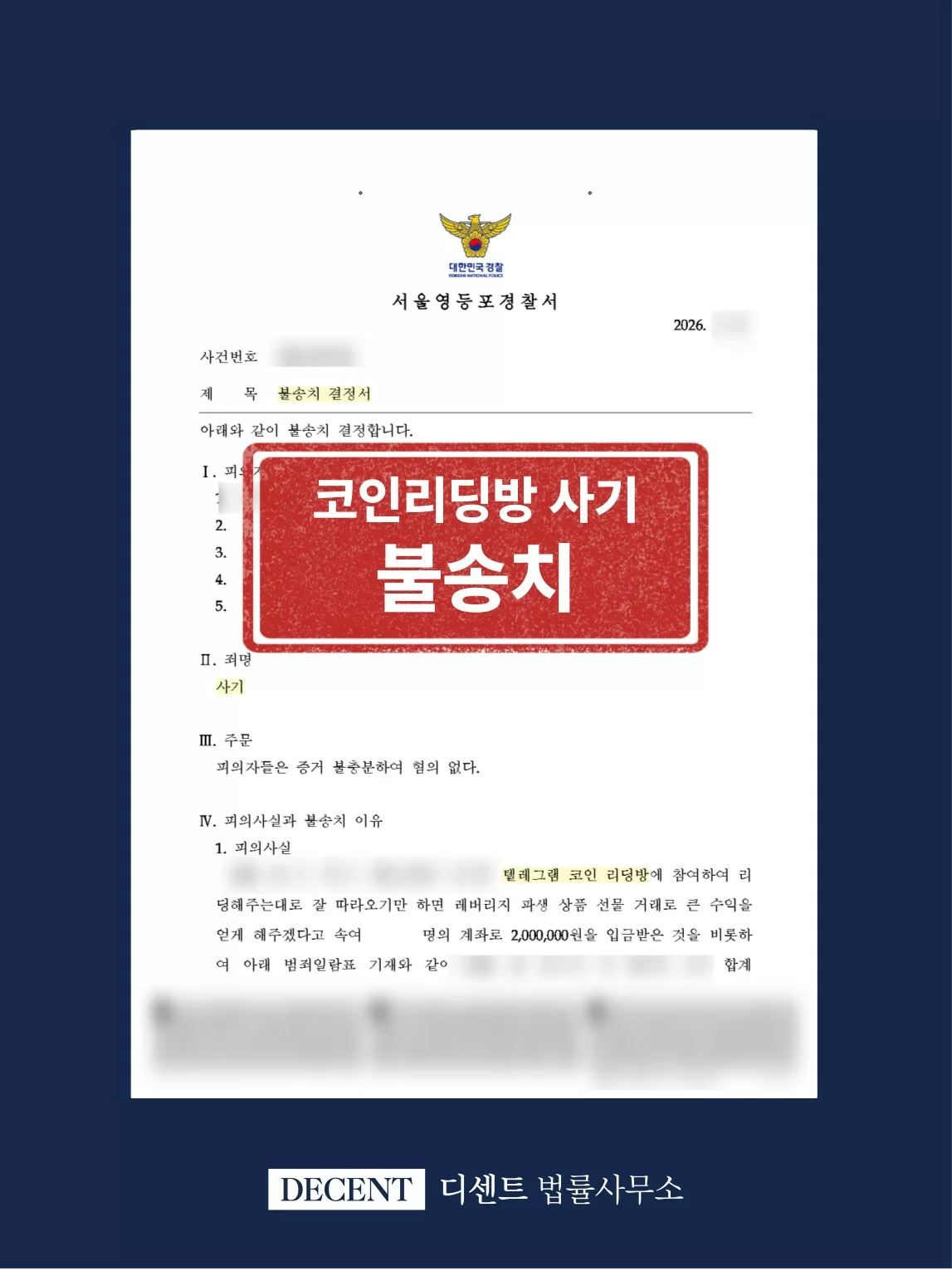
The police concluded that there was insufficient evidence to establish that the client had deceived the complainant and obtained the funds through fraud. The case was therefore closed without referral to the prosecution.
▪️No Evidence of a Guaranteed Principal or Return
Apart from the complainant’s statement, no objective evidence showed that the client had made a definite promise to guarantee the principal or investment profits.
▪️The Complainant Personally Conducted the Futures Trading
The complainant used an overseas exchange account registered in their own name and personally conducted high-risk leveraged futures trading. There was no evidence that the client or the company directly managed the complainant’s funds.
▪️Referral Rebates Were Distinguished from Misappropriation of Investment Funds
The referral rebates were paid by the exchange based on members’ trading activity. The police found that the existence of this arrangement alone did not establish that the client had obtained or misappropriated the complainant’s investment funds.
▪️No Evidence of Compensation or Conspiracy in the USDT Transactions
There was also no evidence that the client received compensation from the USDT purchases or conspired with the account holders involved in those transactions.
This case demonstrates that involvement in a crypto trading signal room or receipt of exchange referral rebates does not, by itself, establish fraud. The authorities must separately examine each person’s actual role, who made and executed the trades, the nature of the transferred funds, and how any fees or other financial benefits were received.
Legal Consultation
All consultations are conducted after a case review by the attorney in charge.
Providing the key details of your case in advance will help you receive more specific advice.